What is Cardiac Electrophysiology?
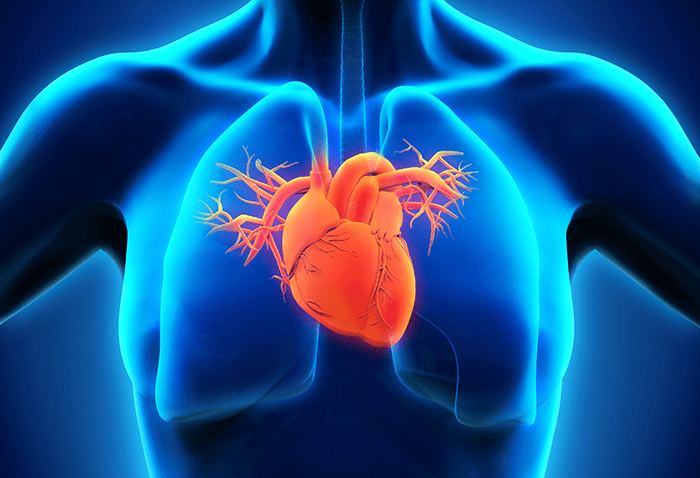
Cardiac electrophysiology is the study of the electrical signals that regulate the heart’s rhythm. This medical specialty focuses on the detection and treatment of cardiac arrhythmias, which occur when the heart beats too slowly, too quickly, or irregularly. Using advanced techniques, our specialists can accurately diagnose these conditions and recommend the most appropriate treatment.
Our Services and Treatments
Our department uses highly specialised equipment to provide comprehensive care tailored to each patient and their condition.
Electrophysiological Studies (EPS)
This procedure is used to identify the cause of arrhythmias by measuring intracardiac electrical conduction and, where necessary, performing stimulation protocols to induce the arrhythmia. It is carried out under local anaesthetic and, in some cases, can be performed as a day-case procedure.
Catheter Ablation
This minimally invasive procedure treats arrhythmias by precisely targeting and ablating abnormal heart tissue using advanced mapping systems. Depending on the type of arrhythmia (sinus tachycardia, atrial flutter, atrial fibrillation, ventricular ectopic beats, ventricular tachycardia, etc.), the procedure may be performed under local or general anaesthesia.
Implantation of Cardiac Device
Devices such as conventional pacemakers, left bundle branch pacing systems, cardiac resynchronisation therapy (CRT) devices or implantable cardioverter-defibrillators (ICDs) help regulate and maintain a normal heart rhythm. Our department offers the full range of these procedures, tailored to each patient’s individual needs.
Like all departments at CHU Saint-Pierre, our approach is patient-centred, enabling us to provide personalised care. We work closely with patients, their family and their general practitioners to ensure the best possible care throughout the treatment pathway.