Examinations offered:
Transthoracic Echocardiography
This examination is used to assess the structure of the heart and its function, including the heart valves, pericardium, and cardiac chambers
The procedure takes approximately 30 minutes. It uses ultrasound, involves no radiation, and causes no adverse effects.
Stress Echocardiography
This test is used to access the contraction of the left ventricle, either during physical exercise or following the administration of an intravenous infusion of medication designed to simulate exercise conditions.
You may eat and drink normally before the test. Medications tha slow the heart rate (particularly beta-blockers, commonly prescribed for angina pectoris, high blood pressure or heart failure) are usually discontinued 48 hours prior to the examination. Your general practitioner or referring doctor will advise you on which medications should be taken beforehand
The test itself usually takes around 20 minutes. However, if a transthoracic echocardiogram is performed beforehand and / or an intravenous line is inserted, the total duration is generally about one hour.
Transoesophageal Echocardiography
This examination evaluates the heart using the same principles as transthoracic echocardiography. However, a very small ultrasound probe is attached to an endoscope (usually used for more detailed imaging of your oesophagus or stomach). A transthoracic echocardiogram is usually performed beforehand, as two examinations provide complementary information.
You must not eat or drink for at least 6 hours before the examination. Medications should generally be taken as usual, preferably well before the procedure.
The examination itself takes around 10 minutes, but including preparation and any prior imaging of a transthoracic echocardiogram, the total duration is approximately one hou
You must fast (no solid or liquid food) for one hour following the examination.
If you have received intravenous sedation, you will not be able to drive for the rest of the day, so it is best to arrange alternative transport or find another driver.
Les pathologies valvulaires cardiaques ou valvulopathies cardiaques
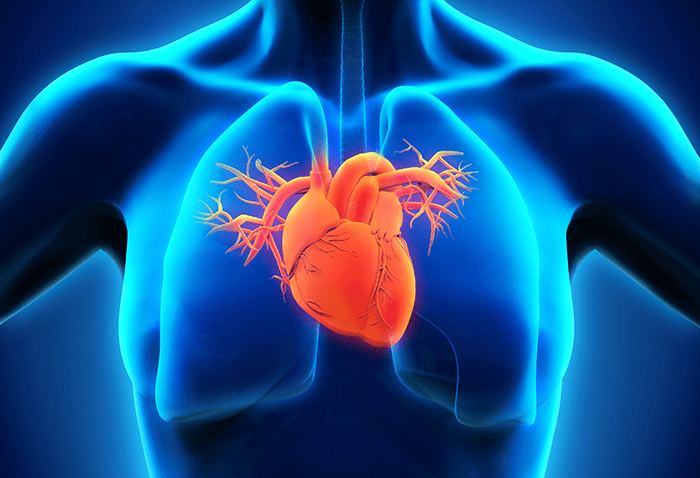
Valvular heart disease refers to all conditions affecting the heart valves. The heart valves are flexible structures that separate the four chambers of the heart: two valves on the left (mitral and aortic valves) and two on the right (tricuspid and pulmonary valves).
The Cardiology and Cardiac Surgery Departments work closely together within a dedicated medico-surgical team, ensuring optimal diagnostic and therapeutic management. This includes both catheter-based treatments and the most advanced surgical procedures.